Data Scrubbing Techniques in Reconciliation
Verified Concept Article • Factual Traceability Enabled
Summary OverviewData scrubbing techniques cleanse and transform operational data during ETL reconciliation to ensure high‑quality, consistent warehouse content.
Home > ## ETL modelling - Overview > Data Reconciliation in the ETL Process for Data Warehousing > Data Scrubbing Techniques in Reconciliation
Detailed Explanation
In the ETL pipeline, scrubbing—also called data cleansing—is the second major phase after capture and before transformation. Its purpose is to upgrade raw operational data, which is often transient, denormalized, and error‑prone, into a form that meets the quality expectations of a data warehouse (historical, normalized, comprehensive, and integrity‑controlled). The scrubbing step relies on pattern‑recognition algorithms and, increasingly, artificial‑intelligence techniques to detect and correct a wide spectrum of defects. Typical defects include misspellings, erroneous dates, incorrect field usage, mismatched addresses, missing values, duplicate records, and inconsistent encoding. Each defect type triggers a specific corrective action: misspellings may be resolved through fuzzy‑matching dictionaries; erroneous dates are identified by range checks and reformatted to a standard ISO‑8601 representation; duplicate detection leverages key generation and similarity scoring to merge records without loss of provenance.
Pattern‑recognition tools scan each field for expected syntactic structures—such as numeric patterns for phone numbers or alphanumeric codes for product identifiers—and flag deviations for automated repair or manual review. AI‑enhanced scrubbing can infer likely correct values from contextual clues, for example by using language models to suggest the proper spelling of a customer name based on transaction history. The process also logs every correction, providing an audit trail that supports downstream reconciliation checks.
After the raw data has been cleansed, the ETL workflow proceeds to the transform stage, where the now‑consistent fields are converted, aggregated, or joined to match the warehouse schema. This separation of concerns—scrubbing first, transformation second—ensures that downstream operations such as record‑level selection, field‑level mapping, and aggregation are performed on reliable inputs, reducing the risk of propagating errors into the warehouse index.
Examples
Consider a retail sales feed that records transaction dates as "02/30/2023"—an impossible calendar date. The scrubbing engine applies a validation rule that flags dates outside the Gregorian calendar range; the AI component then examines surrounding records to infer the likely intended date (perhaps "02/28/2023") and amends the field accordingly. In another scenario, a customer address field contains the entry "123 Main St.," missing the city and ZIP code. Pattern detection identifies the incomplete address, triggers a lookup against a master address reference, and auto‑populates the missing components, thereby eliminating a source of mismatched address records.
Duplicate detection illustrates another practical technique. Two records may share a generated key but differ slightly in name spelling—"John Doe" versus "Jon Doe." A fuzzy‑matching algorithm computes a similarity score; if it exceeds a predefined threshold, the system merges the records, preserving the most complete attribute set and noting the merge in an error‑logging table. Finally, inconsistent currency representations—such as "USD," "$," or the numeric code "840"—are normalized through a mapping table that translates each variant into a canonical ISO‑4217 code, ensuring uniformity across the warehouse.
Through these systematic scrubbing actions, data reconciliation transforms noisy operational streams into a high‑quality, query‑ready repository that supports accurate reporting and analytics.
Visual References from Cited Pages
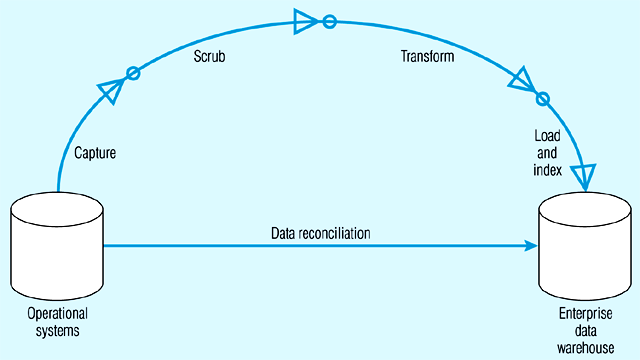
Figure 1: Illustration of data reconciliation stepsSource: ETLmodelling.pdf (Page 21)
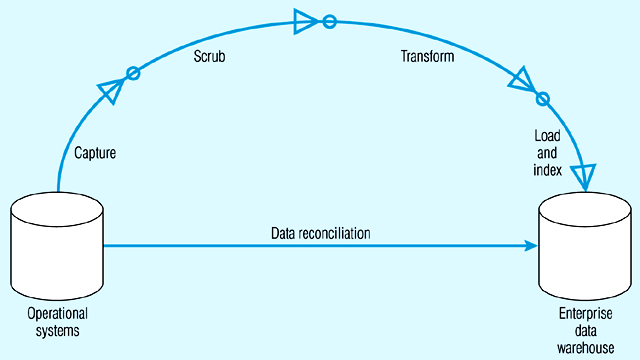
Figure 2: Data reconciliation steps diagramSource: ETLmodelling.pdf (Page 24)
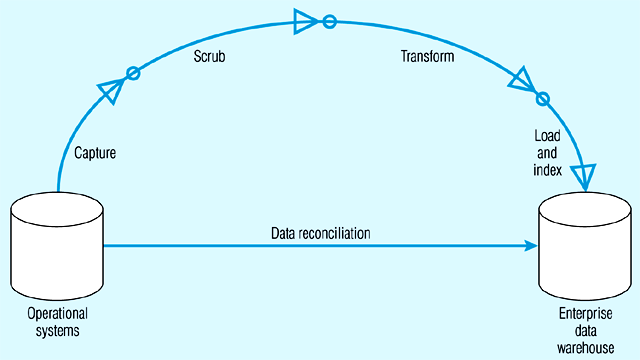
Figure 3: Steps in data reconciliation – transformation and data processing operationsSource: ETLmodelling.pdf (Page 23)
Related Topics
Incoming Backlinks
Other pages in this wiki that link back to the current topic.